Fade Haircut Maintenance Guide That Stays Sharp
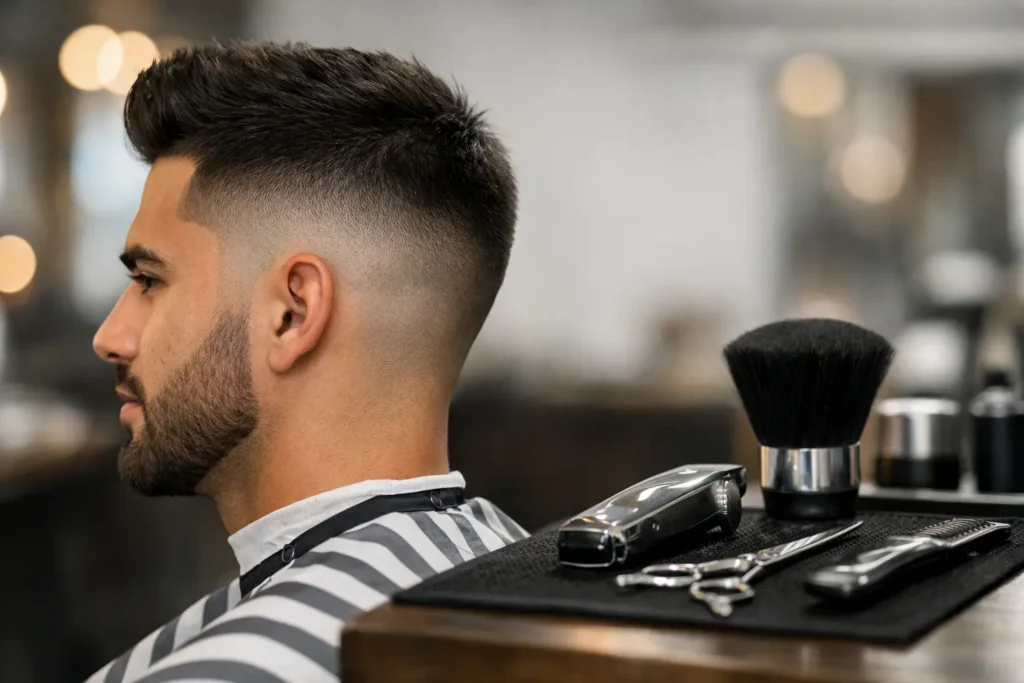
A fresh fade looks intentional because every transition is clean: the neckline is tight, the temples are balanced, and the blend moves naturally from short to longer hair. The challenge begins a week or two later. This fade haircut maintenance guide helps you preserve that barbershop-finished look without trying to become your own barber in the bathroom mirror.
A fade is a precision cut, not a set-it-and-forget-it style. Your hair growth rate, hair texture, beard length, work environment, and preferred level of polish all affect how often it needs attention. The right routine keeps your style sharp, protects your scalp, and makes every visit to the barber count.
Know When Your Fade Needs Attention
Most men look their sharpest with a fade refresh every two to three weeks. A skin fade or bald fade usually needs the earliest maintenance because even a small amount of growth can soften the contrast around the ears and neckline. A low, mid, or high taper fade can often stretch closer to three or four weeks, especially if the top is left longer and styled with texture.
Your schedule should match the image you want to project. If you work in a client-facing role, wear a polished corporate style, or simply prefer crisp lines at all times, book closer to the two-week mark. If you favor a more relaxed, textured finish, a three-week cadence may be enough.
There are a few signs that your fade has moved past its prime: the area above the ears starts to look heavy, the neckline loses its clean shape, the blend appears darker than it did after your appointment, or your beard no longer connects cleanly with your sideburns. Waiting too long does not ruin the haircut, but it can mean your barber needs to remove more length to restore the original structure.
Build a Simple Daily Routine
Maintenance does not mean loading your hair with products every morning. It means using the right amount of care to keep the cut looking controlled and your scalp feeling healthy.
Start with how you wash. Shampooing every day works for some men, particularly those with very oily scalps or active lifestyles, but it can dry out coarse, curly, or chemically treated hair. Most men do well shampooing two to four times a week, then rinsing with water as needed. Use a conditioner regularly if your hair feels dry, rough, or difficult to style.
After showering, do not aggressively rub your hair with a towel. Pat and squeeze out excess water instead. Rough drying can create frizz, disturb curls, and make the longer section on top harder to control. A low-heat blow dryer can add direction and volume, especially for pompadours, crops, quiffs, and longer textured tops. Keep the airflow moving rather than concentrating heat in one spot.
For styling, use the lightest product that gives you the hold you need. Matte clay or paste works well for textured, natural-looking styles. Pomade offers more shine and control for classic, combed looks. Cream is a strong choice for medium-length hair that needs softness rather than stiffness. If you have waves or curls, a curl cream or lightweight leave-in product may define the top without leaving residue in the faded areas.
Use a fingertip-sized amount first. Warm it between your palms, then work it through from back to front. You can always add more, but applying too much product makes the top look greasy and can leave buildup around the hairline.
Keep the Hairline Clean Without Ruining It
The most common at-home fade mistake is trying to recreate the barber’s line work with clippers. A clean hairline is satisfying, but one uneven corner or a pushed-back temple can change the entire shape of your cut. Hairline restoration takes time, so restraint is part of good grooming.
If a few stray hairs appear at the neckline or around the ears, a careful trimmer can handle minor cleanup. Use good lighting, work slowly, and remove only the obvious growth outside the established line. Do not chase symmetry by taking more hair from one side. Faces are naturally asymmetrical, and a professional barber shapes the line to complement your head and facial features, not to force a ruler-straight result.
Avoid cutting into the blend itself. The gradient of a fade is built with multiple clipper lengths and detailed blending techniques. A single guard at home can create a hard shelf in the very area your barber worked to make invisible. Save the fade work for the chair.
Pair Your Fade With Beard Maintenance
A fade and beard should look like one complete grooming decision. When the sideburn transition is clean and the beard outline is controlled, the face looks more structured. When the beard grows out while the fade stays tight, the overall result can feel unbalanced.
Brush your beard daily, especially if it is medium or long. Brushing trains the hair to sit in the intended direction and reveals uneven bulk before it becomes obvious. Apply beard oil to the skin beneath the beard when dryness or itch is an issue, then use balm if you need more control. Oil conditions; balm adds light hold. Men with short beards may only need a few drops of oil, while fuller beards often benefit from both.
Be conservative with cheek and neck lines between appointments. The neck line should enhance your jaw, not creep too high under it. The cheek line should follow your natural density rather than being carved into an unnatural angle. If your beard has patches, curls, or strong growth patterns, professional beard shaping is worth the appointment. A skilled barber can create the appearance of fuller, cleaner growth without taking away more beard than necessary.
Protect Your Scalp and the Fade
Short faded sections expose more scalp, which means scalp care becomes more visible. Flaking, irritation, razor bumps, and product residue can distract from an otherwise precise cut.
Use a gentle shampoo and rinse thoroughly. If you deal with recurring flakes, choose an anti-dandruff shampoo as part of your routine, but do not assume every dry scalp needs a harsh treatment. Product buildup, dehydration, frequent hot showers, and over-washing can all cause irritation. If redness, itching, or persistent scaling continues, speak with a dermatologist rather than covering it with more styling product.
If your barber uses a razor at the neckline or around the edges, give that skin a little space afterward. Avoid heavy fragranced products on freshly shaved areas and do not scrub aggressively. A clean, calming aftershave balm can help reduce dryness and keep the area comfortable.
Sun protection matters too. A high fade, skin fade, or short crop leaves the scalp more exposed than longer styles. If you spend time outdoors in Anaheim or anywhere across Orange County, apply a non-greasy SPF to exposed areas or wear a hat when appropriate. A sunburned scalp is uncomfortable and can make your next haircut less pleasant.
Make Your Barber Visit More Effective
The best fade maintenance routine begins with a clear conversation at your appointment. Tell your barber how long the cut stayed sharp, whether the top felt too heavy, and how your beard behaved as it grew in. Those details are more useful than simply asking for the same thing again.
Bring up your real routine, too. If you do not use a blow dryer, do not ask for a style that depends on one every day. If you wear a hard hat, train frequently, or need a conservative look for work, your barber can adjust the fade height, weight removal, and product recommendation to fit your life.
A quick cleanup appointment can be a smart option between full haircuts. Neckline work, beard lineups, and straight-razor tune-ups restore the details that fade first while allowing you to keep length on top. This is especially useful before an important meeting, wedding, vacation, or photoshoot.
A Fade That Looks Good as It Grows
A great fade should not only look sharp on day one. It should grow out with enough balance that you still feel put together before your next visit. That comes from choosing the right fade height, keeping the top proportionate to the sides, and resisting the urge to overcorrect every stray hair at home.
Your barber can help you find that balance, whether you want a clean skin fade with a sculpted beard or a softer taper that carries you through a busy few weeks. At Dr. Beard Barbershop, precision grooming is designed around the way you actually wear your hair, beard, and confidence. Keep the routine simple, protect the details, and let professional craftsmanship handle the lines that define your look.
Visit Dr. Beard Barbershop
Explore our Signature Cut and plan your next visit.
Visit Dr. Beard Barbershop in Anaheim or our Anaheim Hills location for appointments and shop details.
Get directions: Anaheim | Anaheim Hills.