Can a Barber Fix Beard Gaps? What Actually Works
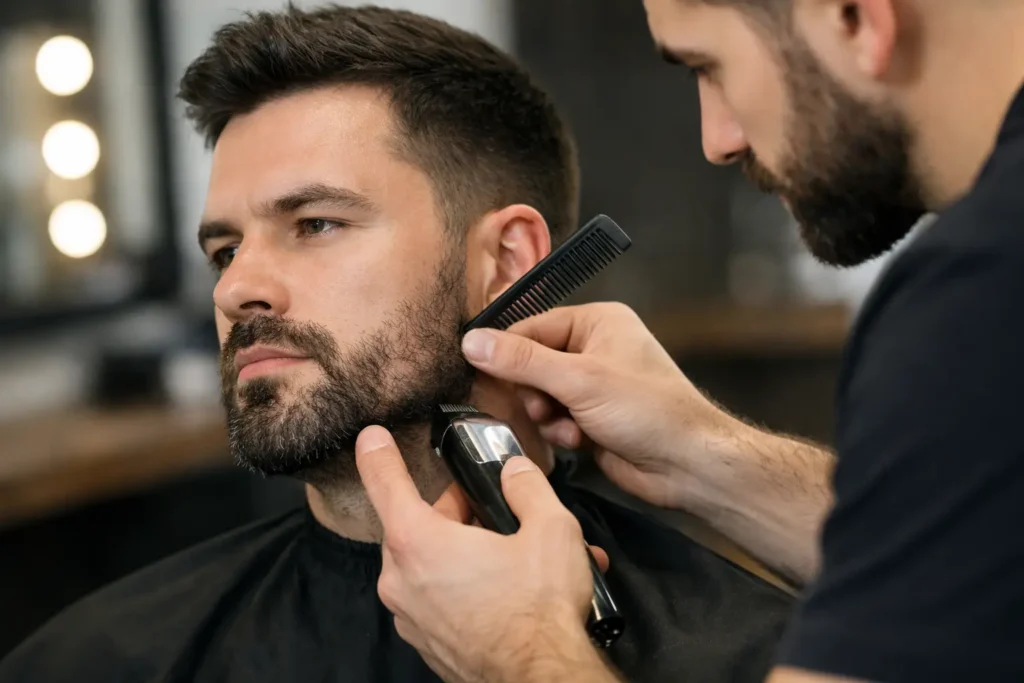
A thin patch at the cheek, a break in the mustache, or a weak connection along the jaw can make an otherwise solid beard feel unfinished. So, can a barber fix beard gaps? A skilled barber can make gaps far less noticeable through shape, length control, blending, and, in some cases, professional beard color. What a barber cannot do is create new follicles where hair does not grow.
That distinction matters. The right beard service can turn a patchy, uneven beard into a deliberate style that looks clean, full, and suited to your face. The wrong approach – usually growing everything out without a plan – can make sparse areas stand out even more.
Can a Barber Fix Beard Gaps Permanently?
Not permanently, at least not in the biological sense. Beard density is largely determined by genetics, hormones, age, and the natural pattern of your facial hair. A barber cannot change where follicles exist or force dormant follicles to produce a thicker beard.
But visual improvement is not a small thing. Beard artistry is about controlling what the eye sees first. A precise trim can remove wispy hair that exposes a gap, while a better outline can redirect attention toward your strongest growth areas. When the beard is balanced with your haircut, sideburns, and face shape, it reads as intentional rather than incomplete.
For many men, the goal is not a beard that looks artificially dense from every inch away. The goal is a sharp, confident finish at normal conversation distance, in the office, at dinner, or in photos. That is where professional grooming makes a real difference.
How a Barber Makes Patchy Beard Areas Look Better
A barber begins by assessing the full pattern, not just the empty spots. The direction of growth, thickness on the chin, coverage along the cheeks, mustache density, jawline shape, and your preferred level of maintenance all affect the best plan.
Choosing a shape that works with your growth
Trying to force a high, heavy cheek line when the upper cheeks are sparse usually creates a disconnected look. A barber may lower the cheek line slightly, keep it natural, and use a clean taper so the beard still looks defined. This creates a stronger silhouette without drawing a hard line around areas that cannot support it.
The same principle applies beneath the jaw. A crisp neckline gives a beard structure and can make the lower face look fuller. Too high, and the beard may look undersized. Too low, and it can appear unkempt. The right placement depends on your neck, jaw, and beard density.
Using length strategically
Length can help, but more is not always better. A short beard can reveal every gap because there is little hair available to overlap or soften transitions. Growing it slightly longer may allow fuller sections to cover sparse ones, especially around the chin and jaw.
Still, excessive length can separate into uneven strands and expose the skin beneath. A professional barber can set the proper length for your density, then blend the beard so it appears fuller without looking bulky. Often, a compact boxed beard, short beard fade, or well-shaped goatee is more flattering than a long beard grown without structure.
Blending the beard into the haircut
A beard gap is rarely viewed on its own. The transition from haircut to sideburn to beard has a major effect on the finished look. A soft beard fade can create continuity around the sideburns and make the upper beard look more intentional. Conversely, a harsh disconnect can make thin areas near the cheeks more obvious.
This is why pairing a haircut with a beard trim is often the smarter move. Your barber can build one clean profile rather than treating the hair and beard as separate jobs.
Using beard color with restraint
For some clients, professional beard color can reduce the contrast between hair and skin, making sparse areas appear less visible. This can be particularly useful when gray hairs, sun-lightened sections, or naturally light facial hair make the beard look thinner than it is.
Color should be subtle and matched carefully. An overly dark beard dye can look flat, draw attention to the outline, and create an unnatural contrast with the hair on your head. A professional approach focuses on a believable, groomed result, not a painted-on beard.
The Best Beard Styles for Gaps Depend on Where They Are
There is no single “patchy beard fix” because not all gaps occur in the same place. Sparse cheeks call for a different strategy than a thin mustache or a weak connection between the mustache and beard.
If your chin and jaw grow strongly but the cheeks are lighter, a lower cheek line and slightly fuller chin can create a balanced, masculine shape. If the cheeks are solid but the mustache is thin, keeping the beard shorter and neatly separated may look stronger than trying to grow a large connected style. Men with fuller growth around the mouth often look especially sharp with a tailored goatee, extended goatee, or short boxed beard.
The most effective style is the one that plays to your strongest coverage. It should also fit your lifestyle. A polished professional may want a clean, close beard with consistent lines, while someone with a more expressive personal style may prefer more length and texture. Either way, the work should look deliberate.
What to Ask for During a Beard Appointment
Be direct about what you see in the mirror. Tell your barber where the gaps bother you, how much length you are willing to keep, and whether you prefer a natural or sharply defined finish. Bring up the practical details, too: Do you wear the beard short for work? Are you growing it for an event? Do you want to reduce gray without making the color obvious?
A good barber will not promise to make a sparse beard genetically full. Instead, they should explain which areas can be improved with shaping, what length gives you the best coverage, and how often you should return to maintain the look. That honesty is part of quality service.
At Dr. Beard Barbershop, a beard trim is treated as a tailored grooming service, not a quick pass with clippers. Precision lineup work, blending, straight-razor detailing, and beard color services can all be considered based on your growth pattern and style goal.
At-Home Habits That Support a Fuller-Looking Beard
Between appointments, keep the beard clean, conditioned, and brushed in the direction you want it to sit. Dry, frizzy hair separates and can reveal more skin, while a conditioned beard lays together more evenly. A small amount of beard balm can add light hold and make a longer beard appear more cohesive.
Avoid constantly cutting into the sparse area yourself. It is tempting to chase symmetry in the bathroom mirror, but one uneven line can remove the very hair that helps the beard look fuller. Let the beard grow long enough for your barber to evaluate the pattern before making a major style change.
Be realistic about miracle products. Oils and balms can improve softness, shine, and manageability, but they do not generate new follicles. Some over-the-counter growth treatments may be discussed online, yet results vary and facial use can carry irritation or other concerns. If a sudden loss of beard hair, irritation, scaling, or distinct bald patches appear, speak with a dermatologist rather than trying to cover the issue with grooming alone.
When Patience May Be the Best Move
Beard growth can continue to develop well beyond the teenage years. Some men notice meaningful changes in density through their twenties and even later. If your facial hair is still maturing, a smart trim and consistent maintenance may be the best short-term answer while you allow time to do its part.
A barber can reshape the story your beard tells right now. Instead of fighting every gap, choose a style that emphasizes your best growth, keeps the lines clean, and fits the way you carry yourself. A well-crafted beard does not need to be perfect to look powerful.
Visit Dr. Beard Barbershop
Explore our beard trim and lineup and plan your next visit.
Visit Dr. Beard Barbershop in Anaheim or our Anaheim Hills location for appointments and shop details.
Get directions: Anaheim | Anaheim Hills.