Skin Fade Versus Taper: Which Cut Fits You?
A clean haircut can change the way your entire face reads – especially when the sides are doing as much work as the top. In the skin fade versus taper conversation, the better choice is not simply the trendier one. It is the cut that fits your head shape, hair texture, beard, schedule, and the kind of impression you want to make before you say a word.
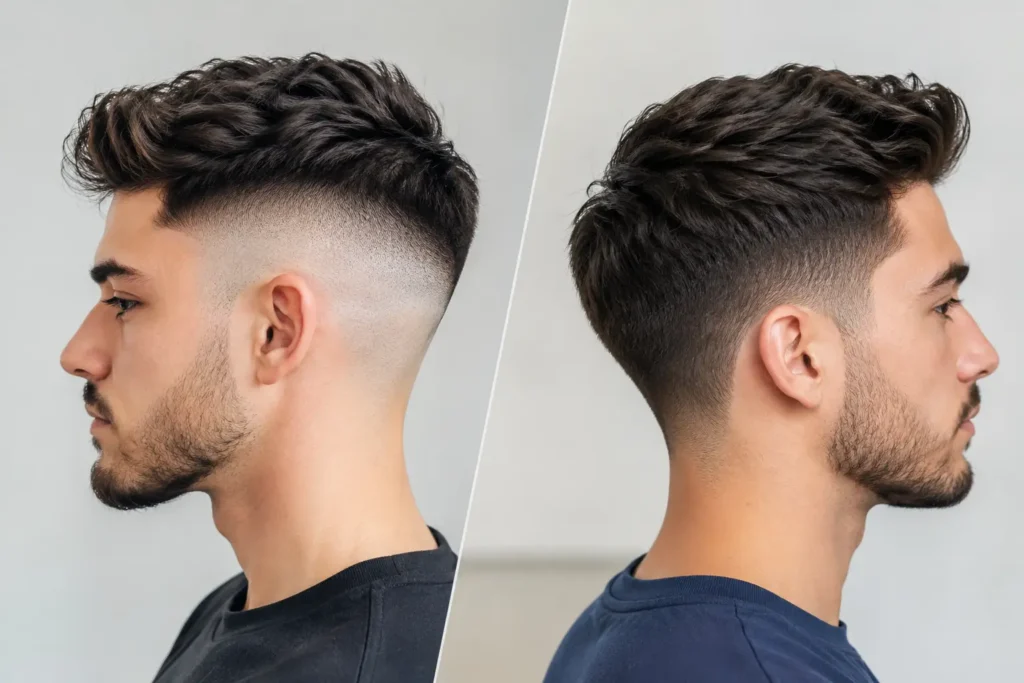
Both cuts can look sharp, modern, and professionally finished. The difference is in the transition. A skin fade creates bold contrast by taking the hair down to bare skin. A taper keeps more length through the sides and back, delivering a softer, more classic outline. One makes a statement. The other refines the whole look without demanding attention.
Skin Fade Versus Taper: The Core Difference
A skin fade, sometimes called a bald fade, blends the hair from bare skin near the neckline and around the ears into progressively longer hair. Depending on where the fade begins, it can be low, mid, or high. The result is crisp, high-contrast, and intentionally sculpted. It puts focus on the top of the haircut, the hairline, and the structure of your face.
A taper also blends the hair shorter at the sideburns and nape, but it does not remove as much hair across the sides. The transition is concentrated around the edges rather than sweeping high up the head. A traditional taper leaves a natural amount of fullness near the temples and occipital area, which gives the cut a more understated finish.
Think of a skin fade as a clean architectural line and a taper as tailored finishing. Neither is automatically better. The right call depends on how much contrast you want and how often you are prepared to maintain it.
What a Skin Fade Says About Your Style
A skin fade is built for men who want a defined, current look. It works particularly well with textured crops, pompadours, quiffs, curls, slick backs, and clean side parts. By stripping the sides close, it makes thicker hair on top look more intentional and can create the appearance of a longer, leaner face.
It also pairs well with a precisely shaped beard. When the fade meets a clean temple area and the beard begins with a controlled transition, the profile looks deliberate from every angle. This is where barbering becomes more than a haircut. The proportions between your hair, sideburns, and beard need to be planned together.
The trade-off is visibility. Skin fades grow out quickly because the contrast between bare skin and longer hair is so clear. Most men who want that freshly cut finish should expect a touch-up every one to two weeks. At three weeks, the haircut may still look good, but it will no longer have the same razor-clean effect.
What a Taper Says About Your Style
A taper offers polish without the dramatic contrast of a fade. It is a strong option for working professionals, men with conservative dress codes, and anyone who prefers a haircut that looks better for longer between appointments. Because more weight remains through the sides, the grow-out is softer and more forgiving.
A taper can be classic or modern depending on the top. Pair it with a scissor-cut side part for a confident office-ready finish, or wear it with loose texture and a natural curl pattern for something more relaxed. It is especially useful when you want your beard to remain the visual anchor rather than making the haircut the main event.
For many clients, a taper is the practical luxury choice: refined enough for a meeting, easy enough for a weekend, and adaptable to several weeks of growth. A maintenance visit every two to four weeks is common, depending on how tight you like the neckline and sideburns.
Choose by Face Shape, Hair Type, and Beard
Your barber should not choose a cut from a photo alone. The best result comes from reading your natural growth patterns, density, cowlicks, beard shape, and daily styling habits.
Men with rounder faces often benefit from a mid or high skin fade with length and texture on top. The close sides remove width, while vertical volume can make the face appear more angular. A low fade can achieve a similar result with less intensity, making it a smart middle ground if a high fade feels too exposed.
If your face is long or narrow, a very high skin fade can sometimes add too much height and make the proportions feel stretched. A low taper or low fade with moderate volume on top tends to keep the look balanced. Square faces can handle a range of options, but a taper often complements a strong jaw without making every line feel overly severe.
Hair texture matters just as much. Thick, straight hair can support the crisp separation of a skin fade, while curly and coiled hair can look exceptional with a fade that is blended carefully into natural texture. Fine hair may benefit from a taper because leaving some weight at the sides can make the overall haircut appear fuller. There are exceptions, which is why an experienced consultation matters more than a one-size-fits-all rule.
Your beard changes the equation. A dense, full beard can balance a higher fade beautifully, especially when the sideburn area is transitioned with precision. A shorter beard or close stubble often looks more natural with a taper that preserves a little connection between the haircut and facial hair. If your beard has patchy areas, a sharper fade can draw the eye upward, while a controlled lineup gives the beard a cleaner frame.
Maintenance Is Part of the Decision
The skin fade versus taper decision often comes down to calendar reality. A skin fade is not difficult to maintain at home, but it is a haircut that rewards consistency. You will want your neckline, edges, beard lines, and sideburn transitions kept clean. Styling product is usually optional depending on the top, but regular barber visits are not.
A taper gives you more room to live between appointments. It grows in rather than out, which makes it ideal if you travel often, have a demanding schedule, or prefer a less structured routine. That does not mean it requires no care. A neglected neckline can make even a great taper look unfinished, and beard maintenance still matters.
For either style, use a shampoo and conditioner suited to your hair, avoid over-washing if your scalp runs dry, and choose a styling product based on the finish you want. Matte clay offers texture and control, cream gives a softer natural hold, and pomade delivers classic definition and shine. The right product should support the cut, not make it look stiff.
What to Ask Your Barber
Clear communication saves time and helps your barber tailor the cut to you. Bring a reference photo if it helps, but explain what you like about it: the tightness around the ears, the amount of scalp exposure, the length on top, or the way it connects to the beard. A photo on someone with different density or face shape is a starting point, not a blueprint.
For a skin fade, tell your barber whether you want it low, mid, or high and how much skin exposure feels comfortable. Ask where the blend should sit around your temples and whether the top needs texture, volume, or a more controlled finish.
For a taper, be specific about the edges. Do you want a subtle business taper, a more pronounced modern taper, or a clean temple and nape taper that leaves the rest of the sides fuller? If you wear a beard, ask for the haircut and beard to be balanced as one service. That small detail separates a decent cut from a complete grooming result.
At Dr. Beard Barbershop, the goal is not to force every client into the same fade or trend. It is to build a haircut and beard profile that looks sharp when you leave the chair and still fits the way you actually live.
The Best Choice Is the One You Will Maintain
Choose a skin fade when you want strong contrast, a more contemporary edge, and a haircut that emphasizes clean lines. Choose a taper when you want versatility, a classic profile, and more breathing room between visits. If you are undecided, a low fade or pronounced taper can offer the best of both: clean around the edges without committing to bare skin.
A great cut should make getting ready easier, not turn your grooming routine into another obligation. Let your natural features, your beard, and your real schedule lead the decision – then trust precision work to make the style look like it was made for you.
Visit Dr. Beard Barbershop
Explore our Signature Cut and plan your next visit.
Visit Dr. Beard Barbershop in Anaheim or our Anaheim Hills location for appointments and shop details.
Get directions: Anaheim | Anaheim Hills.