Is Straight Razor Shave Safe? What to Know
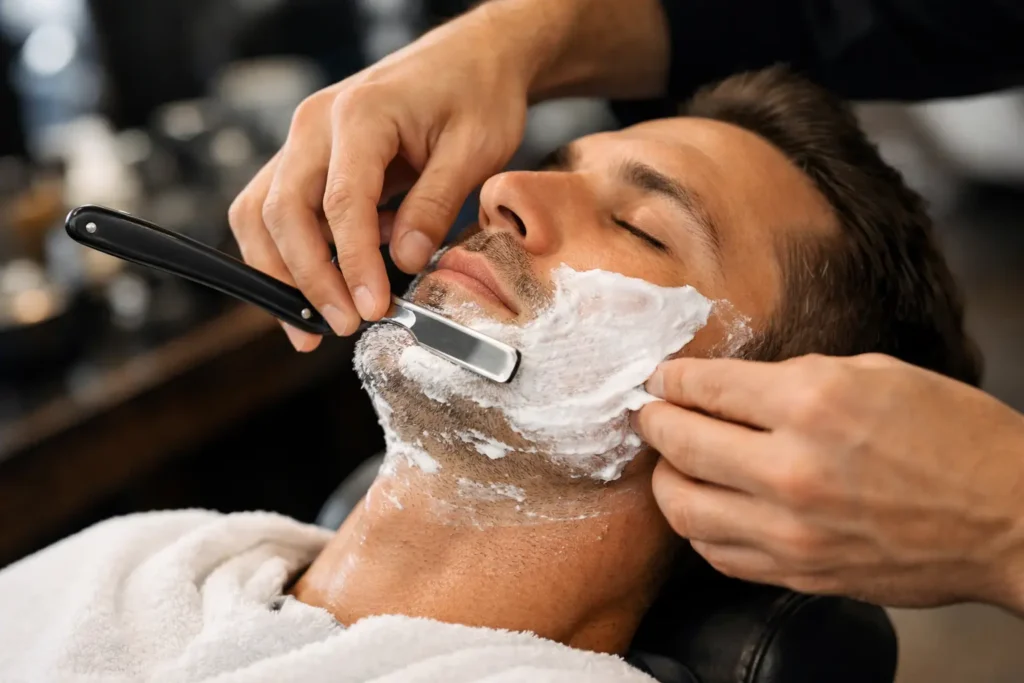
The question is straight razor shave safe usually comes up right after a guy sees the result of a proper shave – crisp cheek lines, a cleaner neckline, and that polished finish you do not get from rushing through a cartridge shave at the sink. The short answer is yes, a straight razor shave can be safe. But safety depends on who is holding the blade, how the skin is prepared, and whether the shave is done with professional-grade hygiene and technique.
That is the real difference. A straight razor is not dangerous by default. It is simply less forgiving than disposable razors, which means skill matters more.
Is straight razor shave safe for most men?
For most men, yes. A straight razor shave is safe when the blade is sharp, the skin is properly prepared, and the person shaving understands angle, pressure, and beard growth patterns. When those pieces are in place, the shave is not just safe – it is often cleaner, smoother, and more precise than what you get at home with a multi-blade cartridge.
Where things go wrong is usually predictable. Dull blades drag. Poor prep creates friction. Too much pressure causes irritation or nicks. Going against the grain too aggressively can leave skin inflamed, especially around the neck where growth patterns tend to be more irregular.
If you have sensitive skin, coarse facial hair, acne-prone areas, or a beard line that needs exact shaping, the straight razor can actually be a strong option when used correctly. Precision is one of its biggest advantages.
Why a straight razor feels riskier than it often is
A lot of men hear the words straight razor and picture deep cuts. In reality, most issues are minor and preventable. The blade is exposed, so there is no guard hiding bad technique. That visibility makes people nervous, but it also forces a more controlled approach.
With cartridge razors, it is easy to move too fast and let multiple blades pass over the same skin repeatedly. That can lead to razor burn, ingrown hairs, and irritation, especially if you are shaving daily. A straight razor removes hair with a single sharp edge, which can reduce repeated scraping when the shave is done well.
That does not make it foolproof. It means the trade-off is simple – greater precision and potentially less irritation in skilled hands, with less margin for error in unskilled ones.
What makes a straight razor shave safe
Safety starts before the blade ever touches the face. Good prep softens the beard, opens the skin surface, and reduces resistance. Hot towels, quality lather, and proper mapping of hair growth all matter because they set up a smoother pass.
The blade itself matters just as much. A straight razor should be sharp, clean, and handled with a light touch. Pressing harder does not improve the shave. It usually does the opposite. The best results come from controlled strokes, the right blade angle, and steady attention to how the skin is reacting in different areas of the face.
Hygiene is non-negotiable. In a professional setting, that means strict sanitation practices and proper blade handling every time. If that part is sloppy, the service is not worth the chair, no matter how polished the shop looks.
The main risks to know about
The most common risk is minor nicks. These are usually small and easy to manage, but they happen more often when skin is dry, the client moves suddenly, or the barber rushes detail work around the jaw, lip, or Adam’s apple.
The second issue is irritation. Men with sensitive skin can react to over-shaving, heavily fragranced products, or poor post-shave care. A close shave should leave the skin smooth, not raw.
There is also the concern around sanitation. This is the part clients should take seriously. Any shave service should follow clean tool protocols without exception. If you are ever unsure about hygiene standards, trust your instincts and ask questions.
Finally, some skin conditions make straight razor shaving less ideal on a given day. Active acne, cuts, sunburn, eczema flare-ups, or inflamed ingrown hairs can all make the skin more vulnerable. In those cases, the safest shave may be a lighter cleanup, not a full bare-skin finish.
Who should be more cautious?
Not every face needs the same approach. Men with very reactive skin, a history of severe razor bumps, or certain dermatological conditions may need a modified shave plan. That could mean fewer passes, more conservative detailing, or avoiding a straight razor on irritated areas.
If you are taking acne medications that thin or sensitize the skin, extra caution is smart. The same goes for anyone using exfoliating acids or retinoids as part of their skincare routine. Skin that looks normal can still be more fragile than it feels.
There is also a difference between wanting a clean shave and needing one. If your skin routinely gets inflamed after close shaving, a tight beard lineup or short stubble finish may be the better call. A sharp look does not always require taking the face all the way down.
Professional shave vs. doing it yourself
This is where the answer changes a bit. Is straight razor shave safe in a barbershop? Usually yes, when you are in capable hands. Is it equally safe for the average guy trying it at home after watching a few videos? Not always.
At home, most mistakes come from poor angle control, overconfidence, and lack of skin stretching. Men tend to go too fast around curves and underestimate how much beard direction changes from one part of the face to another. Even the dominant hand becomes less reliable when working the opposite side of the jaw.
In a professional service, the barber is reading the face in real time. He sees where the hair swirls on the neck, where the skin is raised, and where extra care is needed around beard contours. That matters, especially if the goal is a sharp finish with minimal irritation.
For men who want the result without the learning curve, a professional straight razor shave is often the smarter move.
Why technique matters more than bravado
There is a certain old-school appeal to the straight razor, and that is part of the experience. But a quality shave is not about trying to look tough in the chair. It is about control, discipline, and craftsmanship.
A skilled barber uses short, deliberate strokes. He adjusts pressure by area. He respects the grain before chasing closeness. He knows when the skin needs another pass and when it needs to be left alone. That judgment is what separates a luxury grooming service from a rough shave dressed up as tradition.
For clients, that means you should pay attention to results beyond smoothness. The best shave leaves your skin calm, your lines clean, and your overall look elevated. If your face is burning an hour later, something was off.
How to tell if a straight razor shave is right for you
If you want a cleaner finish for work, a formal event, photos, or simply your regular grooming standard, the straight razor is worth considering. It is especially useful for men who care about detail around the beard line, sideburns, and neckline.
It may also be a good fit if cartridge razors tend to leave you with patchy irritation from repeated blade contact. Some men find that one well-executed straight razor pass irritates their skin less than several hurried passes with a multi-blade razor.
On the other hand, if your skin is actively irritated or you rarely maintain your facial hair, the best next step may be consultation first. A professional can tell you whether a full shave, a beard cleanup, or a line-up will give you the strongest result with the least stress on the skin.
What to expect after a safe straight razor shave
A good shave should feel close but comfortable. You may notice mild sensitivity right after, especially if it has been a while since your last close shave, but the skin should settle quickly. Proper post-shave care helps reduce redness and keeps the finish looking refined rather than overworked.
Hydration matters. So does avoiding harsh products immediately after the service. Freshly shaved skin does not need a blast of alcohol-heavy aftershave just because it smells classic. It needs calm, balance, and protection.
That is why many men who value appearance maintenance treat the shave as part of a bigger grooming routine, not a standalone event. When the haircut, beard work, skin prep, and shave all work together, the result looks intentional.
A straight razor shave is safe when it is done with precision, cleanliness, and respect for the skin. That is the standard. If you want the closest shave in the room, make sure you also choose the steadiest hand.
Visit Dr. Beard Barbershop
Explore our beard shave and plan your next visit.
Visit Dr. Beard Barbershop in Anaheim or our Anaheim Hills location for appointments and shop details.
Get directions: Anaheim | Anaheim Hills.