
How to Care After Facial Waxing for Clear Skin
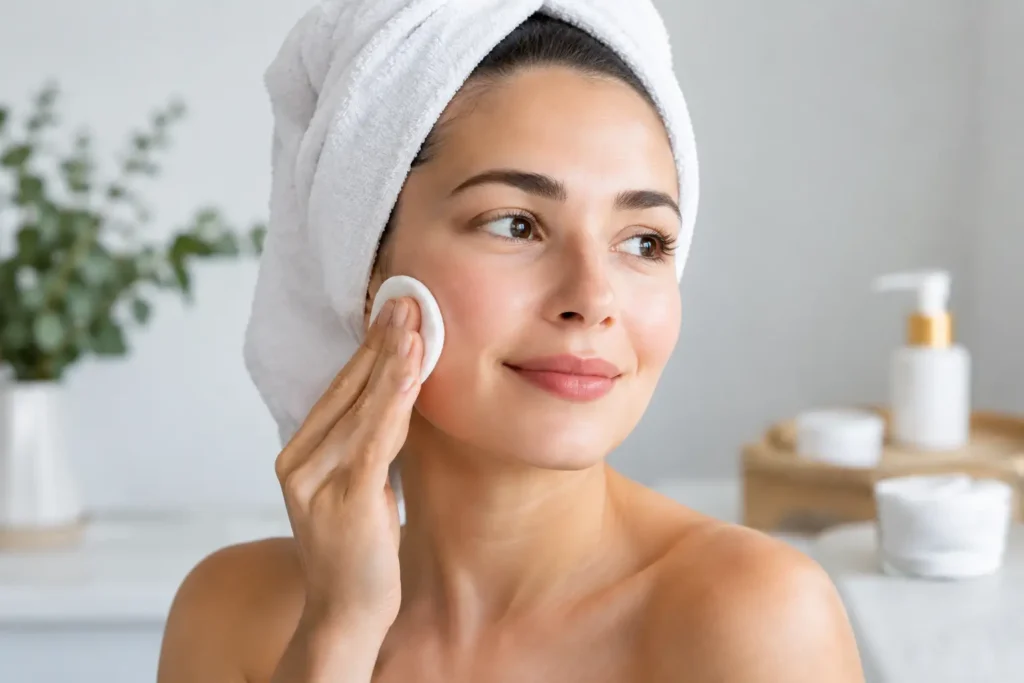
Fresh facial waxing can make a beard lineup, brow cleanup, or cheek line look exceptionally sharp. The first 24 to 48 hours are what determine whether that clean finish stays polished or turns into redness, bumps, and irritation. Knowing how to care after facial waxing protects your skin while helping the results look as precise as the service itself.
Waxing removes hair from the root, but it also leaves the follicle temporarily exposed and the skin more sensitive than usual. A little discipline after your appointment goes a long way. Treat the area like freshly detailed work: keep it clean, avoid unnecessary friction, and give it time to settle.
What Your Skin Needs Right After Facial Waxing
Immediately after waxing, mild redness, warmth, and small raised spots around the follicles can be normal. This is especially common on the upper cheeks, neck, brow area, and around a beard’s edges, where skin may already be exposed to daily shaving and product buildup.
Your first move should be simple: leave the freshly waxed area alone. Avoid touching it throughout the day, even if it feels smooth enough to inspect every few minutes. Hands carry oil, dirt, and bacteria that can enter open follicles and trigger breakouts.
If your skin feels hot or looks noticeably red, use a clean, cool compress for a few minutes at a time. Do not apply ice directly to your face. The goal is to calm the skin, not shock it.
A barber or grooming professional may apply a calming post-wax product at the end of the service. Let it do its job. There is no need to layer on a strong moisturizer, beard oil, cologne, or styling product right away. More product is not better when your skin is freshly waxed.
The First 24 Hours: Keep It Cool and Clean
For the first day, avoid anything that brings heat, sweat, friction, or heavy oils to the treated area. That means skipping the steam room, sauna, hot yoga class, and intense workout if possible. Heat can increase redness, while sweat can irritate open follicles.
Take a lukewarm shower rather than a hot one. When washing your face, use a gentle cleanser and your fingertips, not an exfoliating brush, washcloth, or scrub. Pat your skin dry with a clean towel instead of rubbing it.
Be selective with grooming products, too. Avoid applying beard balm, beard oil, pomade, or fragranced aftershave directly over a waxed cheek or neckline for at least 24 hours. These products are excellent when used in the right place, but the oils, fragrance, and waxes inside them can clog or aggravate sensitive follicles.
If you wear a mask, helmet, or anything that rubs against the treated area, keep it clean and limit friction whenever you can. A sharp beard line should not come at the cost of a week of irritation.
How to Care After Facial Waxing Without Causing Bumps
Ingrown hairs and post-wax bumps usually come down to inflammation, bacteria, dead skin buildup, or a combination of all three. You cannot control every skin reaction, but you can greatly reduce the odds by giving your face a clean, low-friction recovery period.
Do not shave over the waxed area immediately. Waxing has already removed the hair, and shaving too soon can scrape sensitive skin and encourage razor bumps. If a few hairs were missed, resist the urge to chase them with a razor or tweezers the same day. A clean lineup is worth preserving, but irritated skin will make even the best shape look rough.
Avoid exfoliating for the first 48 hours. This includes facial scrubs, acid toners, retinol, benzoyl peroxide, and strong acne treatments. These can sting and strip the skin when its protective barrier is already stressed.
After 48 hours, light exfoliation two or three times per week can help prevent ingrown hairs, particularly around the beard line and neck. Keep it gentle. Over-exfoliating can create the same irritation you are trying to avoid. If you are prone to acne or ingrowns, choose a routine based on your skin type and introduce products slowly.
Watch Your Pillowcase and Phone
Two overlooked sources of post-wax breakouts are pillowcases and cell phones. Your face spends hours against your pillow, and your phone regularly touches your cheek. A clean pillowcase and a wiped-down phone help reduce the chance of transferring oil and bacteria onto freshly waxed skin.
This is a small maintenance habit, but refined grooming is built on details. The same precision that keeps a beard line clean should carry into the way you care for your skin between appointments.
Products to Avoid for Two Days
You do not need an elaborate recovery kit. In fact, simplifying your routine is usually the smarter move. For 24 to 48 hours after a facial wax, avoid products that are heavily fragranced, alcohol-based, gritty, or chemically aggressive.
That includes strong aftershaves, cologne sprayed near the face, facial scrubs, retinoids, peel pads, and harsh acne spot treatments. Self-tanner is also best avoided on freshly waxed skin because it can settle unevenly around sensitive follicles.
Sunscreen is the key exception. Waxed skin can be more sensitive to sun exposure, especially in Southern California. If you will be outdoors, use a gentle, broad-spectrum sunscreen that does not sting or leave a heavy greasy layer. A hat adds another practical layer of protection when you are spending time in direct sun.
When You Can Return to Your Normal Routine
Most men can return to a normal skin care and beard care routine within 24 to 48 hours, provided the skin feels calm and looks clear. If you still have visible redness, tenderness, or bumps, give it another day before using active products or applying heavier beard conditioners near the waxed area.
Your routine should also reflect the service you received. A quick brow wax may settle fast, while a full cheek, nose, ear, and neckline cleanup may require more caution. Men with sensitive skin, active acne, eczema, rosacea, or a history of ingrown hairs may need a gentler approach and a longer recovery window.
If you use prescription skin treatments, ask your dermatologist or grooming professional how they may affect waxing. Some medications and topical treatments can make skin more fragile, increasing the risk of lifting, prolonged redness, or irritation.
Signs Your Skin Needs More Than Basic Aftercare
Normal post-wax redness should begin improving within a day or two. Contact a medical professional if you experience severe swelling, persistent pain, blistering, spreading redness, pus, or a rash that does not improve. These are not typical signs of simple post-wax sensitivity.
For recurring bumps or ingrown hairs, do not assume waxing is the problem by itself. Your skin care routine, beard products, shaving habits, and skin type may all be contributing. A skilled grooming professional can help you decide whether waxing, threading, trimming, or a different maintenance schedule best supports your desired look.
Build Facial Waxing Into Your Grooming Schedule
The cleanest results come from consistency, not from waiting until your brows, cheek lines, or ears need an emergency cleanup. Most facial waxing maintenance appointments fall around every three to six weeks, depending on your hair growth and the area being treated.
Regular visits also make it easier to maintain a natural shape. Rather than removing too much at once, your barber can refine the lines that support your haircut, beard, and facial structure. At Dr. Beard Barbershop, facial grooming is approached with the same attention to detail as a precision beard trim or straight-razor finish.
A clean facial wax should sharpen your presentation, not leave you managing irritation. Give your skin a quiet day, return to products gradually, and let the polished lines do what they are meant to do: add confidence to the look you already wear well.
Visit Dr. Beard Barbershop
Explore our grooming services and plan your next visit.
Visit Dr. Beard Barbershop in Anaheim or our Anaheim Hills location for appointments and shop details.
Get directions: Anaheim | Anaheim Hills.