Hair Color Trends Men Can Wear With Confidence
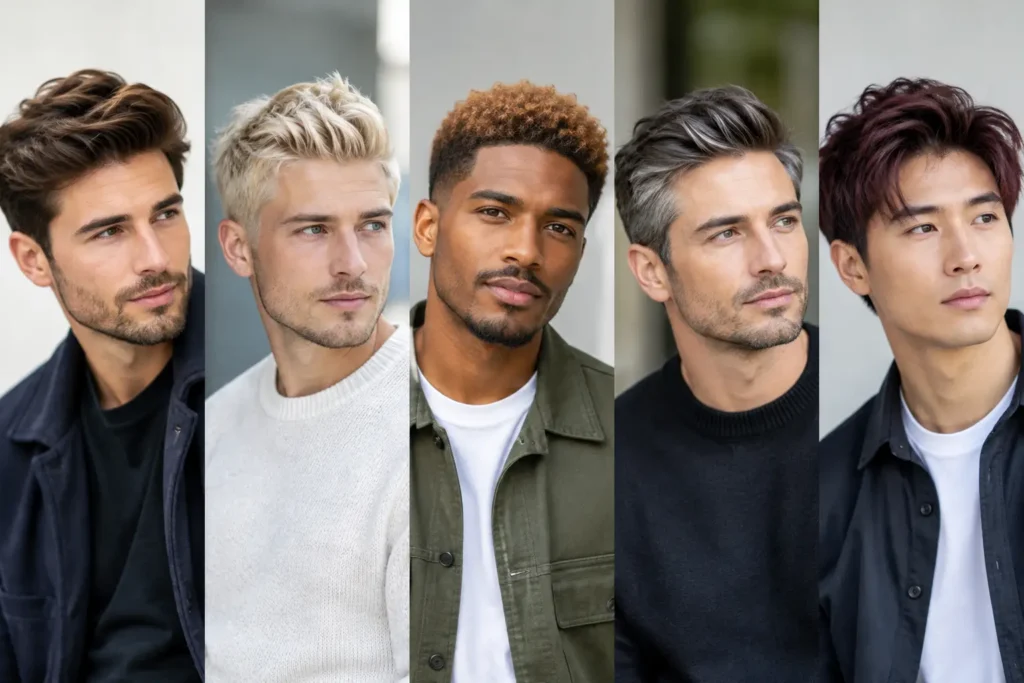
A sharp haircut can change your profile. The right color can change the entire impression. This season’s hair color trends for men are less about loud, one-note dye jobs and more about controlled dimension, intentional gray coverage, and shades that make a haircut and beard look more considered.
For the man who keeps his grooming dialed in, color is not an afterthought. It is another precision tool. Done well, it adds depth to thinning or fine hair, balances early gray, sharpens a textured crop, or gives a beard a fuller, more uniform appearance. Done poorly, it can look flat, brassy, or disconnected from the rest of your style.
Hair Color Trends Are Moving Toward Natural Dimension
The strongest direction in men’s color is believable enhancement. That does not mean every color service has to be subtle. It means the finished result should suit your skin tone, lifestyle, haircut, and beard rather than look like it came from a box.
Natural dimension uses small shifts in tone to create movement. A dark brown can carry soft espresso and chestnut variation. Medium brown hair can be cooled down with ashier tones to reduce unwanted warmth. Even a black finish can be refined with depth so it looks rich instead of inky and harsh under direct light.
This approach works especially well with textured crops, modern pompadours, quiffs, curly hair, and longer layered styles. The shape of the haircut catches the variation in color, making the hair appear denser and more deliberate. A close buzz cut, by contrast, usually benefits from a cleaner, more uniform result because there is less length available to show dimension.
The goal is enhancement, not disguise
A good color consultation starts with what you want to improve. Maybe gray at the temples is making you look more tired than you feel. Maybe your beard has light patches that interrupt an otherwise strong shape. Maybe a previous color service has turned warm and orange in the California sun.
The answer is rarely to apply the darkest possible shade everywhere. Overly dark color can age the face, create a hard line at the hairline, and make gray regrowth far more obvious. A better match often sits one shade lighter than expected or uses a blend that lets a little natural variation remain.
Gray Blending Is the Modern Professional Move
Gray coverage has changed. Full opaque coverage still has a place for clients who want a polished, uniform finish, but gray blending is often the more versatile choice. It softens the contrast between gray and your natural base color rather than erasing every silver strand.
That matters because gray does not grow in evenly. It tends to show first around the temples, sideburns, beard, and front hairline. Blending keeps those areas controlled without creating the obvious line of regrowth that can appear after solid coverage.
For many working professionals, salt-and-pepper is not a problem to hide. It can add authority when the cut is clean and the beard is shaped with intention. The color strategy is simply to remove dullness, yellowing, or uneven patches while preserving the character that makes the look yours.
If you wear a short fade with a neatly trimmed beard, consider blending both hair and facial hair in the same appointment. Matching the overall tone keeps the transition from sideburn to beard clean. It also prevents a common issue: darkened hair paired with a beard that still reads noticeably gray or warm.
Cool Browns, Soft Blacks, and Rich Coppers
The best shade depends on the starting point, but a few color directions are standing out for men who want a current look without chasing a short-lived trend.
Cool brown remains a strong choice for men with medium to dark brown hair. Ash brown, mushroom brown, and neutral espresso tones reduce brassiness and add a refined finish. These shades pair well with tailored professional style because they look clean under office lighting and natural outdoors.
Soft black is another smart alternative to jet black. It gives dark-haired clients a stronger, more polished appearance without the blue-black effect that can look severe against certain complexions. The difference is subtle, but it is the kind of detail that separates a tailored grooming result from a quick color application.
Copper and warm auburn are gaining attention for men with naturally red or warm brown hair. The modern version is richer and more grounded than bright orange. Think burnished copper, cinnamon brown, or deep auburn that brings out the natural warmth of the hair while keeping the result masculine and wearable.
For lighter hair, dark blonde and sandy beige tones are more practical than heavily bleached finishes for most clients. They offer brightness without demanding constant upkeep. A controlled highlight can also add texture to wavy or longer hair, but placement matters. Strong stripes can date quickly, while fine, blended brightness grows out with less drama.
Platinum and High-Contrast Color Need the Right Commitment
Bleached blond, platinum, silver, and high-contrast fashion colors still make an impact, especially with a crisp fade, clean neckline, and strong personal style. They are not low-maintenance looks, though, and they should be chosen with clear expectations.
Lightening hair involves lifting pigment, which can expose warmth and affect the hair’s feel. Dark hair usually requires more than one session to reach a clean pale blonde or silver result safely. Rushing that process can lead to uneven color, unwanted yellow or orange tones, and unnecessary dryness.
If you want a bold color, the cut needs to support it. Platinum looks strongest with a precise crop, a tight fade, or a structured top. A high-contrast look also puts more attention on beard maintenance. A detailed beard lineup, clean cheek lines, and a balanced beard color help the whole presentation feel intentional rather than unfinished.
Maintenance is the trade-off. Expect toning products, moisture-focused care, and regular appointments to keep lightened hair looking fresh. If your schedule is packed or you prefer a low-effort routine, dimensional brunette, gray blending, or a softer highlight is usually the better long-term choice.
Match Hair and Beard Color With Care
Hair and beard do not need to be identical. In fact, they rarely are naturally. But they should look like they belong in the same overall palette.
A beard often pulls warmer, coarser, or grayer than the hair on your head. Coloring it too dark can make it appear painted on, particularly around the mustache and chin. A skilled barber considers density, existing gray, facial hair texture, and skin tone before choosing a formula. The goal is a fuller, healthier-looking beard with natural variation still visible.
For men dealing with patchiness, beard color can create the appearance of more density, but it cannot replace proper shaping. Start with a beard trim that establishes clean lines and proportional length. Then use color as the finishing detail. The difference is noticeable: one service adds tone, while the combination creates a more complete, intentional beard.
Keep the Result Sharp Between Appointments
Color maintenance does not have to become complicated. The right routine protects your investment and keeps the shade from turning dull before your next visit.
Use a color-safe shampoo and avoid washing with very hot water, which can fade color faster. If you wear cool blond, silver, or ash brown, a toning shampoo can help control yellow or orange tones, but overuse may leave hair looking flat or slightly violet. Use it as directed and adjust based on what your hair is doing.
Sun, chlorine, and styling heat can shift color as well. A hat at the beach or pool is practical protection, not a style compromise. For longer or lightened hair, use a conditioning product regularly to maintain softness and shine. Beard color also benefits from gentle cleansing and beard oil, particularly when facial hair feels dry after a color service.
Most gray blends and subtle enhancements look best with maintenance scheduled around your normal haircut rhythm. Stronger coverage, lightened hair, and fashion shades may need more frequent touch-ups. Your barber can set the schedule based on how quickly your hair grows, how much gray you have, and how crisp you want the finish to stay.
Choose Color That Fits Your Actual Life
The best trend is the one you will maintain. A corporate professional may prefer a soft gray blend that looks polished in meetings and grows out without a hard line. A creative client may be ready for a bright blonde crop or deep copper finish that makes a statement. Neither choice is better. The right choice is the one that matches your time, dress code, and confidence level.
Bring a few reference photos to your appointment, but be ready for a professional recommendation. Your natural base, previous color history, skin tone, beard color, and haircut all affect what will look best. A personalized plan will always outperform copying a shade from someone with completely different hair.
At Dr. Beard, color is approached as part of the full grooming picture: haircut, beard shape, finish, and the impression you want to make when you walk out the door. Choose a shade that strengthens that picture, then maintain it with the same precision you bring to the rest of your style.
Visit Dr. Beard Barbershop
Explore our Gentleman’s Cut and plan your next visit.
Visit Dr. Beard Barbershop in Anaheim or our Anaheim Hills location for appointments and shop details.
Get directions: Anaheim | Anaheim Hills.