Professional Beard Coloring Guide for Men
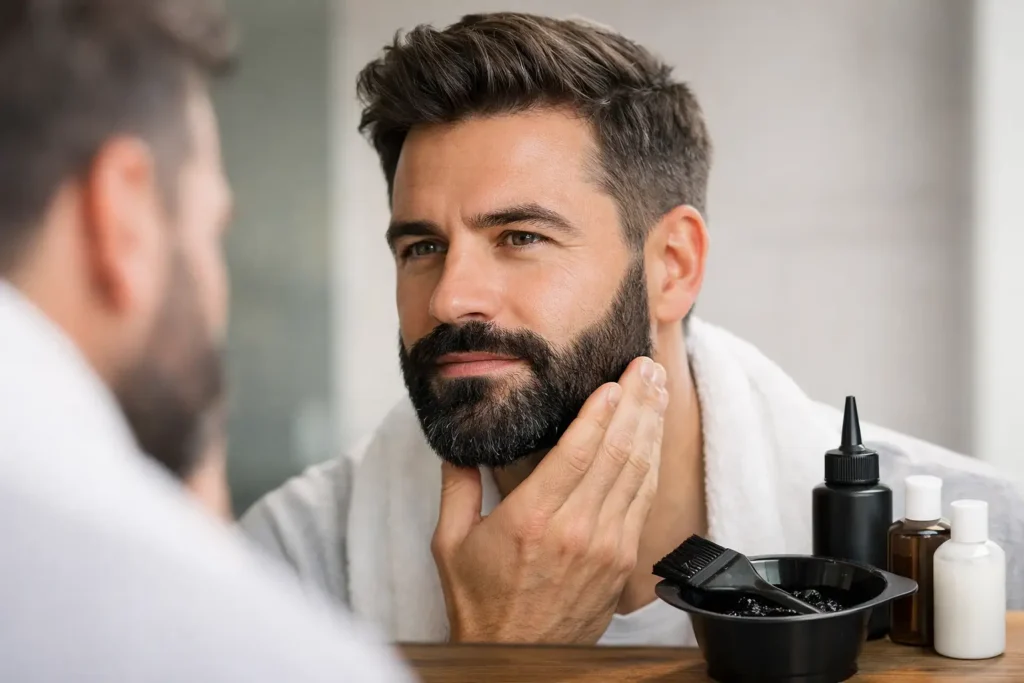
Gray in the beard can look distinguished. It can also look uneven, patchy, or older than you feel. That is where a professional beard coloring guide matters. Beard color is not just about going darker. It is about matching tone, preserving texture, and keeping the beard looking intentional instead of dyed.
A beard sits front and center on your face, so mistakes show fast. The wrong shade can make skin look dull. Poor application can leave the mustache too dark, the cheek line blotchy, or the chin overloaded with color. When beard color is handled with barber-level precision, the result is cleaner, sharper, and much more natural.
What a professional beard coloring guide should actually cover
Most men think beard coloring is simple – pick a brown, apply it, rinse it out. In practice, facial hair behaves differently than scalp hair. It is often coarser, more porous in some areas, and lighter or grayer in others. That means one formula does not always process evenly across the entire beard.
A proper professional beard coloring guide starts with three things: your natural base color, the percentage and pattern of gray, and the finish you want. Some clients want full gray blending for a younger look. Others want to keep some silver at the temples of the beard or around the chin for character. The best result is not always complete coverage. Often, it is controlled coverage.
That distinction matters because beard color should support your overall appearance, not fight it. If your haircut is clean and modern but your beard is one flat, overly dark tone, the look feels off. A well-colored beard should work with your haircut, skin tone, and day-to-day style.
Why beard coloring is different from coloring hair
Facial hair tends to be wirier and more resistant than head hair, especially around the chin and mustache. It also grows in multiple directions and sits closer to sensitive skin. Those differences affect product choice, timing, and technique.
The skin factor is a big one. Beard dyes and color products sit near the lips, cheeks, and neck, where irritation is more likely. Professional application helps reduce staining and harsh lines around the beard perimeter. It also helps avoid that common boxed-dye problem where the beard looks painted on.
Then there is the issue of density. A beard can appear darker simply because it is fuller, not because the individual hairs are dark. So when color is applied too aggressively, a full beard can end up looking heavier and less defined. In many cases, subtle gray blending creates a stronger result than trying to erase every gray hair.
Choosing the right beard color for a natural result
The biggest mistake men make is choosing a shade that is too dark. Jet black rarely looks natural unless your hair and brows are naturally that deep. Even then, a solid black beard can flatten the face and emphasize skin contrast in a way that feels severe.
A better approach is to stay close to your natural color family and adjust depth with restraint. If your beard was medium brown before graying, a medium to soft brown blend will usually look more believable than a dark espresso finish. If your beard has warm undertones, using an ash-based color can make it look muddy. If your complexion runs cool, a red-heavy brown may look off.
This is where professional judgment makes a difference. Color should be selected with the whole face in mind – hair color, eyebrow depth, skin tone, and how much gray is present. The goal is not to create a new beard. It is to refine the one you already have.
Full coverage vs gray blending
Not every beard needs the same level of color. Full coverage gives a stronger, more dramatic shift. It works well for clients who want a noticeably younger, more uniform appearance or who have large white patches that throw off balance.
Gray blending is often the smarter move for men who want their beard to look cleaner without looking freshly dyed. Instead of covering every silver hair, blending softens the contrast and keeps some natural variation. That variation is what makes a beard look real.
For professionals, gray blending is usually the safer choice if you are trying beard color for the first time. It is lower commitment, easier to maintain gracefully, and more forgiving as the beard grows. For men with short boxed beards or neatly sculpted corporate styles, blending often delivers the polish they want without making the grooming look obvious.
The role of beard shape before color
Color should not come before structure. If the beard has bulk in the wrong places or the neckline is overgrown, adding color can actually magnify the problem. A beard needs to be trimmed, balanced, and lined up before the final color result can look right.
That is because shape affects how the eye reads density and depth. A shorter cheek area with a fuller chin may need a different visual balance than a uniform heavy beard. Once the silhouette is clean, color can enhance it. Without that step, even good dye can look sloppy.
This is one reason barber-applied beard color tends to outperform at-home attempts. The service is not isolated. It is part of beard design. Trimming, line work, and color all support the same finish.
Common beard coloring mistakes
Most bad beard color comes from rushing, overcorrecting, or using the wrong product. Men often leave the color on too long because they are chasing coverage, only to end up with a beard that looks dense and unnatural. Others pick a shade based on the box rather than their actual undertones.
Another common problem is ignoring the mustache. The mustache often processes differently and can look darker or warmer than the beard body if it is not monitored carefully. The chin can do the same. These areas need attention, not guesswork.
Maintenance is another overlooked issue. Beard color does not stay static. Sun exposure, washing habits, grooming products, and beard growth all affect how long the result holds. If you are not prepared for upkeep, a softer blend usually ages better than an all-over dark application.
How to maintain beard color between appointments
Good maintenance starts with washing less aggressively. Harsh cleansers and frequent shampooing can strip beard color faster than most men realize. A beard-specific wash and a quality conditioner help preserve tone while keeping the hair softer and easier to style.
Heat and sun also matter. If you spend a lot of time outdoors, your beard can fade warmer or lighter over time. That does not mean color has failed. It means your beard is exposed to the same wear as the rest of your grooming routine.
Keep the beard hydrated. Dry facial hair reflects light differently and can make color look flat or uneven. Beard oil or balm will not replace color maintenance, but it will help the beard stay healthy enough for the color to keep looking rich.
Timing depends on your beard growth and how much gray you have. Some men need touch-ups every few weeks. Others can go longer, especially with gray blending. The right schedule is the one that keeps the beard looking intentional without creating a harsh contrast at the roots.
When professional beard color is worth it
If your beard is short, sparse, heavily gray in spots, or central to your style, professional color is usually worth it. Precision matters more when the beard frames the jaw and mouth so closely. Small mistakes are visible fast.
It is also worth it if your image is part of your work. A polished beard can sharpen a professional appearance the same way a fresh haircut or clean shave can. For men balancing boardroom standards with personal style, beard color can make the difference between looking tired and looking dialed in.
At a shop that treats beard work as craftsmanship, color is not an add-on done in a hurry. It is part of the finished look. That means consultation, shade matching, clean lines, and a result built around your face rather than a generic formula. For clients in Anaheim Hills who already expect more from their grooming routine, that level of care tends to show.
A professional beard coloring guide comes down to restraint
The strongest beard color rarely announces itself. It just makes you look sharper, more rested, and more in control of your appearance. That is the standard worth aiming for.
If you are considering beard color, think beyond covering gray. Think about shape, tone, maintenance, and the kind of presence you want your grooming to project. The best result is not louder. It is cleaner, more confident, and built to look like it belongs on your face.
Visit Dr. Beard Barbershop
Explore our grooming services and plan your next visit.
Visit Dr. Beard Barbershop in Anaheim or our Anaheim Hills location for appointments and shop details.
Get directions: Anaheim | Anaheim Hills.